How Can You Tell if You Have a Valuable Piece of Art
The question of value and how to observe the value of artwork is amid the most important problems an art collector faces, specially today as the highly fluctuating market took its toll on the way we value art. The general recommendation whenever appraising toll range is to consult with an expert - however, there are several things a collector tin can do on his own to come closer to knowing the gauge cost charge per unit of a particular slice. Earlier nosotros get into that, a fair alert is in order - evaluating art is a complicated process heavily influenced by many market variables and trends.
As with any other market, the art kind is very fluid - comparable sales with dates over v years old may have lilliputian to no impact on an artwork'southward current value. It may be difficult for an inexperienced collector[1] to understand why a personally beloved piece is valued relatively depression, but the appraisal is not to be taken in with emotions. Market value is one matter, while the personal and fifty-fifty cultural significance of an artwork does non e'er bear upon their market price.
For all of the collectors and enthusiasts, the market numbers come first and they are often all that matters, then any upcoming collector must be enlightened of the key steps to determining a market value to whatever artwork if they program to be successful in their new hobby.
Authentication Services
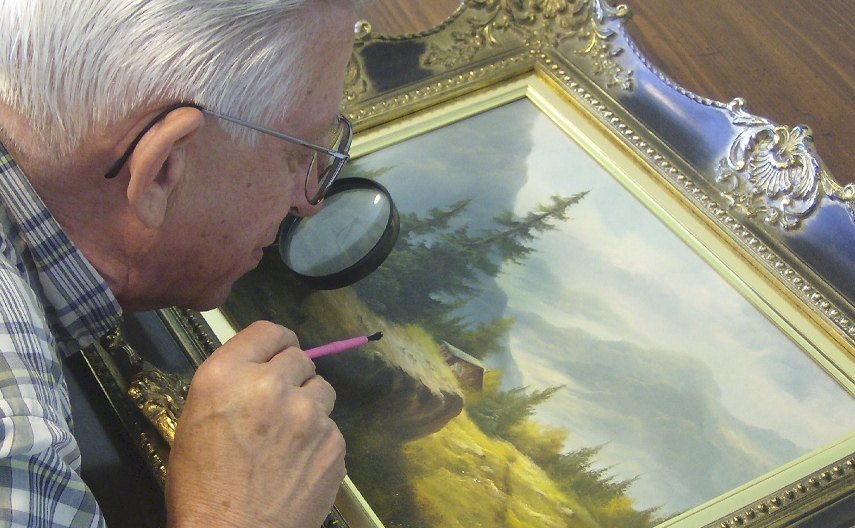
Outset and foremost, the piece needs to be officially authenticated. The procedure of authentication varies depending on the flow in which the piece in question was created. Contemporary art is mayhap the easiest to authenticate, peculiarly if the artist is alive and working every bit they can easily confirm they were the ones who authored the artwork.
However, if the piece was non made in contempo times, the artwork's documentation must be verified and the physical traits of the work itself should exist analyzed. The nigh challenging cases of authentication involve a laboratory, such as The Fine Arts Experts Institute from Switzerland. Many cases do not go as far every bit to terminate up in a laboratory as a proper amount of documentation and a few looks through a magnifying drinking glass should exercise the trick.
So, why the authentication step is then important? Keep in mind that forgeries are non so uncommon, as was the case with Wolfgang Beltracchi and his incredible story .
Do Non buy a piece that did not go through the official process of hallmark and, furthermore, be enlightened that not many will consider yous to be a serious collector if y'all practice not insist on the authentication before you value artwork. After the document of authenticity is in place, the actual valuation process can brainstorm.
The Proper name of the Artist and the Value of Art
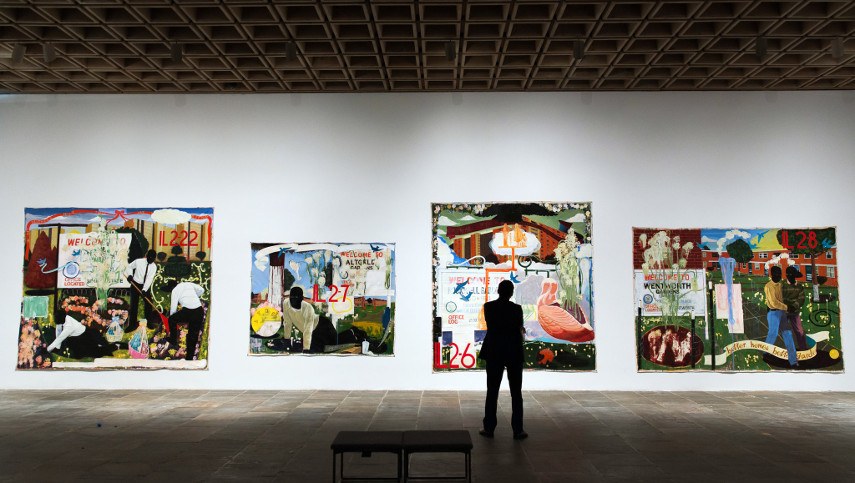
Big names equal big numbers, that'due south how it'southward always been. Works made by the likes of Jackson Pollock or Frida Kahlo will always have aristocracy price tags.
On the other side, an emerging creative person cannot be valued exceptionally high, although new ascent stars accept been known to contradict this notion every now and then. Good examples are Oscar Murillo and David Ostrowski , artists whose prices have risen relatively quickly in the past few years, going from widely affordable to near exclusive.
For many collectors, the main goal is to successfully place the works of those artists whose value will eventually rise exponentially, but this is a strategy in which a collector must be prepared to miss a lot in order to go simply ane right. All in all, keeping the author's name in mind does not decide the verbal value of a piece, but it does provide you with a sure indicator of the price'due south range.
The Status of the Artwork
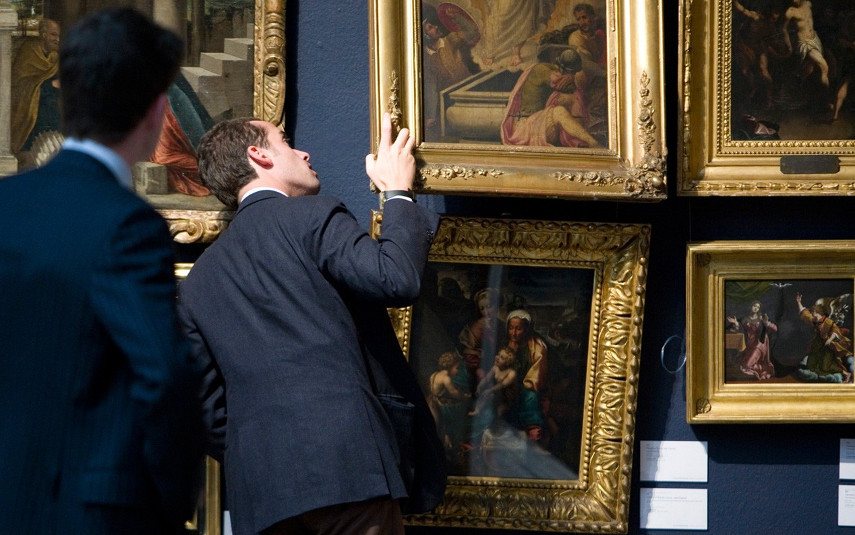
This oft seems to present a particularly hard pill to swallow for less experienced collectors, and then nosotros'll explain it with an example - having a Hirst piece doesn't mean the artwork tin be priced every bit other Damien Hirst 's piece of work. The condition is the first affair that is assessed when you value artwork and it plays a major part in defining the final price of the piece of work.
Encounter the available works past Damien Hirst on our Marketplace!
Of import factors are any changes to the land, possible restorations, effects of any modifications to the physical integrity of a piece or its visual quality. If any of these factors are nowadays, the value of the artwork deteriorates at a frightening charge per unit. Needless to say, the pristine condition is highly desirable.
And then, the golden rule is that you should never, under any circumstances, endeavour to brand straight changes to the slice. Only exit it as is and do non risk compromising its value.
Provenance and Status of an Artwork
Although information technology may not always straight influence the overall value, information technology's e'er interesting to have a skillful story backside the piece you are trying to evaluate. Often, people are willing to pay more than coin knowing the piece belonged to a certain important someone or if the artwork was a office of some heady event.
Needless to say, provenance is more important in terms of authentication and lawfulness , simply information technology can play a function of a cost booster if the circumstances are correct.
Furthermore, if the earlier prices of an object can be tracked through provenance, these costs tin can exist related to the electric current market and set additional markers on the cost range.
Field of study of the Artwork
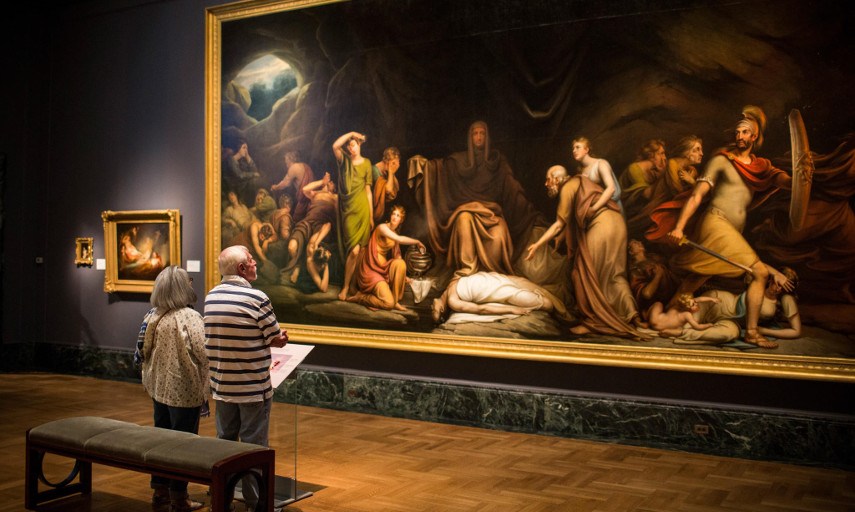
Although information technology may seem a fleck odd at first, the subject area the work tackles is an of import chemical element in fine art appraisement. Depending on the theme depicted, it is oft possible to roughly determine a market place, therefore narrowing the possible price range of a piece. 1 collector may be drawn to nineteenth-century landscape etchings while another finds value in late twentieth-century color photography.
Not every piece is interesting for everyone regardless of the artist and the overall state of the piece. It should besides be said that artifacts and rare objects are always more desirable than common things, and so rarity is too a substantial factor in cost determination procedure. Logically, the value often has a lot to do with the technique[2] in which the piece was fabricated.
Art Marketplace Dictates Value and Price
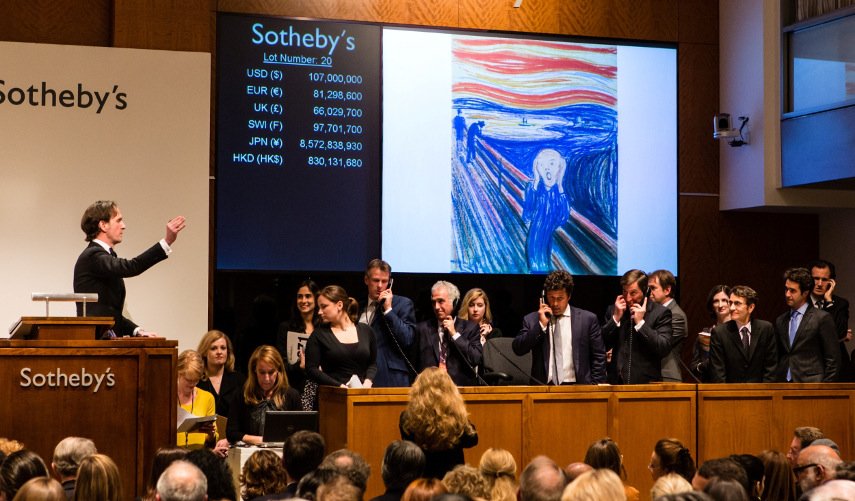
When it comes to contemporary art, market demand may be the virtually crucial aspect of art valuation. If the market goes crazy almost an artist, his prices will take a leap, just constants practice tend to fluctuate less. When it comes to the Western market place, many power players influence the market place, from the near famous dealers to the art superstars themselves.
New collectors interested in how to value art ought to monitor prices in leading auction rooms and at art fairs, tracking similar trends. This will permit them to proceed a finger on the pulse of the market and therefore do better in information technology.
Keep in mind that the art market is dynamic and greatly arbitrary, but it is still regulated by more than or less measurable determinants - extracting those important bits and turning them into useful information to value artwork is a trait of an experienced collector and an expert appraiser.
Consider an Appraiser Who Knows the Marketplace (and its Prices)
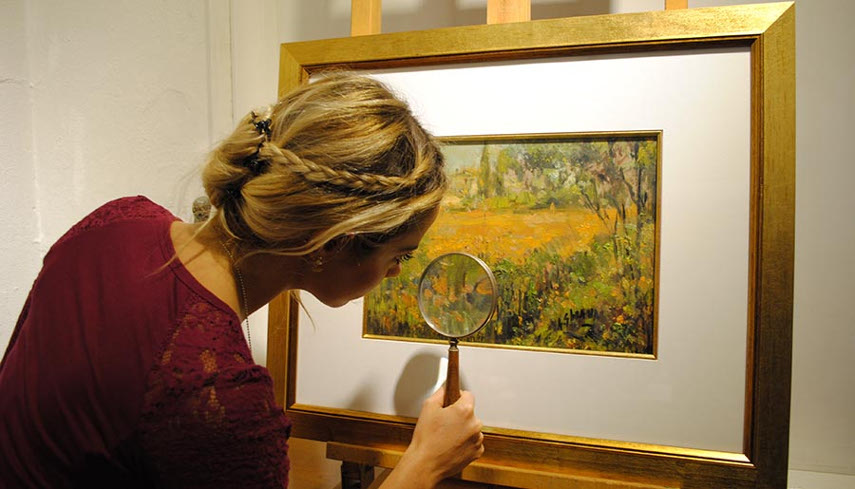
Finally, researching the prices and keeping an heart on auctions and art fairs is surely helpful when you want to value artwork, but for all collectors, finding a trusted appraiser should be a definite must. Recall that self-appraising[3] can exist fun but information technology can as well lead you to critical situations as it can give drastically dissimilar results than a review by a skilled person.
Finding a good appraiser might seem like something that pressures newby collectors, only it'southward far from a challenging feat - most respected experts who value art already belong to various art market associations, then they are adequately easy to contact. If they are non a part of an established organization, information technology would be all-time to skip them and expect elsewhere - the same goes for unassociated art dealers equally they regularly bring many risks despite lower prices.
The right appraiser will know exactly where and how to market place the piece, and their fee will surely pay off in the end. Just keep in heed that various types of fine art, periods or artists accept unlike specialists, and then going to the adequate one is important.
References:
Featured images: Judging the value of an artwork - Prototype via squarespace.com; Artwork with cost tags - Image via sonofpicasso.net; Archives of American Art: Arshile Gorky and Fiorello La Guardia at the opening of the Federal Art Gallery - Image via commons.wikimedia.org. All images used for illustrative purposes merely.
Source: https://www.widewalls.ch/magazine/how-to-value-an-artwork
0 Response to "How Can You Tell if You Have a Valuable Piece of Art"
Postar um comentário